

Access the help you need now
Start speaking with a Clinical Psychologist in-person or online today
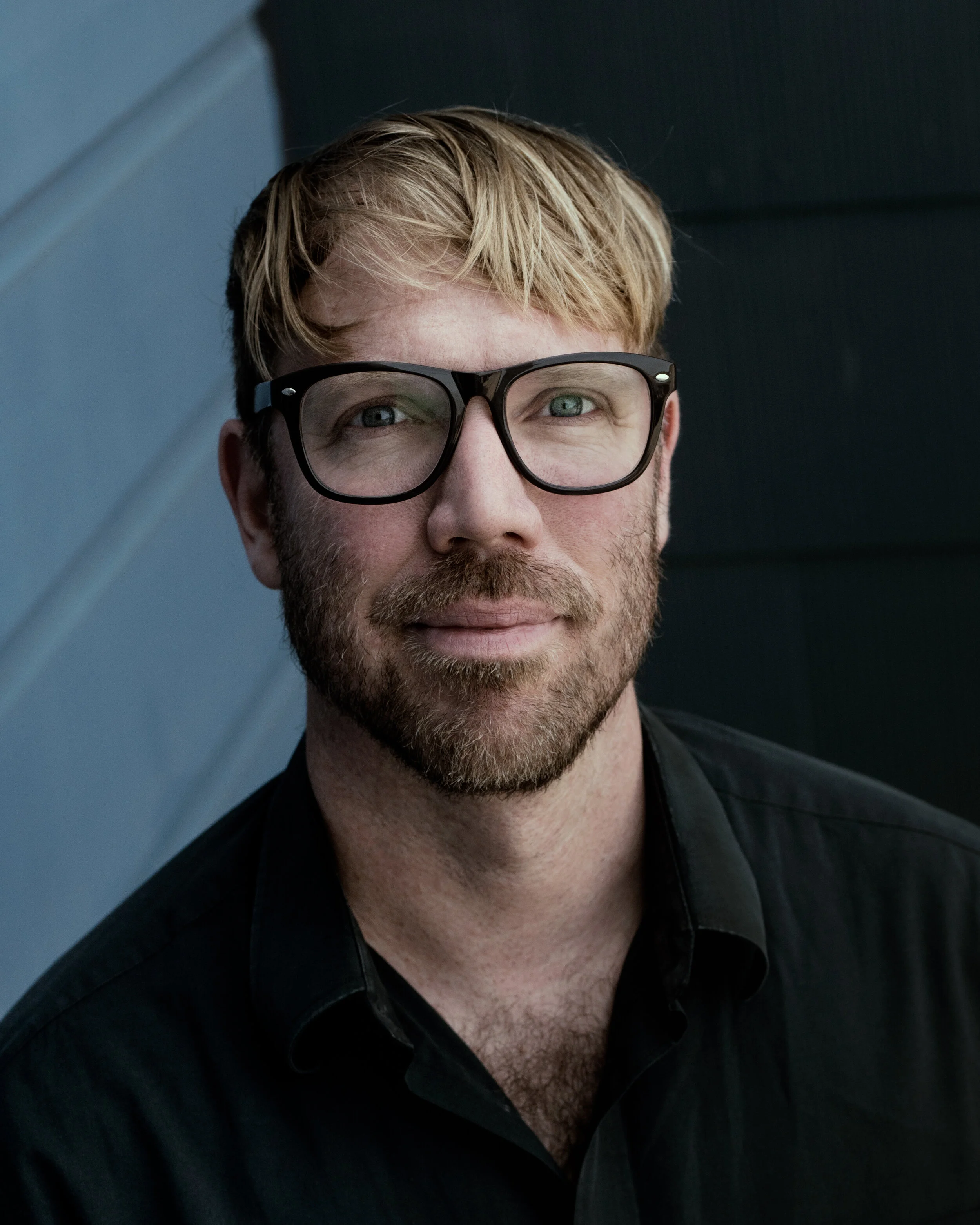
Dr. Mike Spurrier
Clinical Psychologist
PhD, DClinPsych, BASc (Hons)
I specialize in helping clients address patterns that span a range of life areas, including self-esteem and our connection with others.
I work with adults, adolescents and people in relationships. I have more than fifteen years experience, working with:
Trauma, PTSD & the impact of early life experiences
Couples, relationships & attachment
Self-worth & shame
How we regulate ourselves through our emotions & habits
Anxiety, mood & addictive disorders (e.g., panic, phobias, social anxiety, OCD, depression, bipolar disorder, substance use)
I have a strong interest in working with people experiencing:
ADHD & neurodivergence
Issues related to gender, sexuality & identity
Treatment Approach & Modalities
I have a collaborative, integrative approach. I draw from various techniques and modalities, depending on what you want to work on, what pace works for you, and what may be most helpful ‘in the moment’, including:
Schema Therapy
Psychodynamic Therapy
Cognitive Behavioural Therapy (CBT)
EMDR, DBT & Prolonged Exposure (for trauma)
EFT & Gottman Therapy (for couples & relationships)
“As psychologists, we often talk about how important relationships are to the effectiveness of therapy. Here, we’re talking not just about your relationships with the significant people in your life, but also about our relationship with you – the person seeking help.
What we talk about in therapy is often very personal and sensitive – so it’s incredibly important that we feel comfortable and supported by our therapist – not just in the sense of feeling free from judgment and criticism, but also that the person we’re talking to is being earnest and upfront with us, and is tuned in to what we’re talking about.
Having a good experience of the ‘therapeutic relationship’ can be helpful in a number of important ways. It can help us repair attachment and other injuries from our pasts. It can help us overcome shame, and improve our relationships with other people (past and present). It can also help us establish a safe space to work on things that we find difficult to sit with.”
Qualifications & Registration
PhD in Psychology, University of Sydney
Doctorate in Clinical Psychology, University of Sydney
Bachelor of Science (Honours, 1st Class), University of Melbourne
Bachelor of Arts and Sciences, University of Melbourne
Diploma of Visual Arts (New Media), Swinburne University of Technology
Registered as a Psychologist, with specialist Clinical endorsement, with the Australian Health Regulation Agency (AHPRA)
Selected Publications
Fogarty, A.S., Spurrier, M., et al. (2017). Tensions in perspectives on suicide prevention between men who have attempted suicide and their support networks: Secondary analysis of qualitative data. Health Expectations.
Shand, F.L., et al. (2015). What might interrupt men’s suicide? Results from an online survey of men. BMJ Open.
Player, M.J., et al. (2015). What interrupts suicide attempts in men: A qualitative study. PLoS ONE.
Spurrier, M., Blaszczynski, A., & Rhodes, P. (2014). Gambler risk perception: A mental model and grounded theory analysis. Journal of Gambling Studies.
Spurrier, M., Blaszczynski, A., & Rhodes, P. (2014). An expert map of gambling risk perception. Journal of Gambling Studies.
Spurrier, M., & Blaszczynski, A. (2013). Risk perception in gambling: A systematic review. Journal of Gambling Studies.
Getting Started is Simple

Contact us
Contact us to make an appointment or to find out more.

Book a session
Medicare rebated sessions available. Work Cover and Veterans welcome. Check with your private health fund to see if you are covered.

Connect
Dr Spurrier is located in Prahran, Melbourne, and is also available for Telehealth sessions. We will walk you through everything before your appointment.
Contact
My offices are located at Wellspace Psychology in Prahran, close to both public transport & parking.
I am currently booking new patients for both telehealth and in person sessions.
Please call, email or contact me here if you would like to schedule an appointment, or if you have any questions. Please provide contact details, so we are able to get in touch.
Dr. Mike Spurrier
Clinical Psychologist
e: hello@wellspacepsychology.com.au
p: 0411 410 452
a: Wellspace Psychology, Level 1/9 Carlton St, Prahran VIC 3181